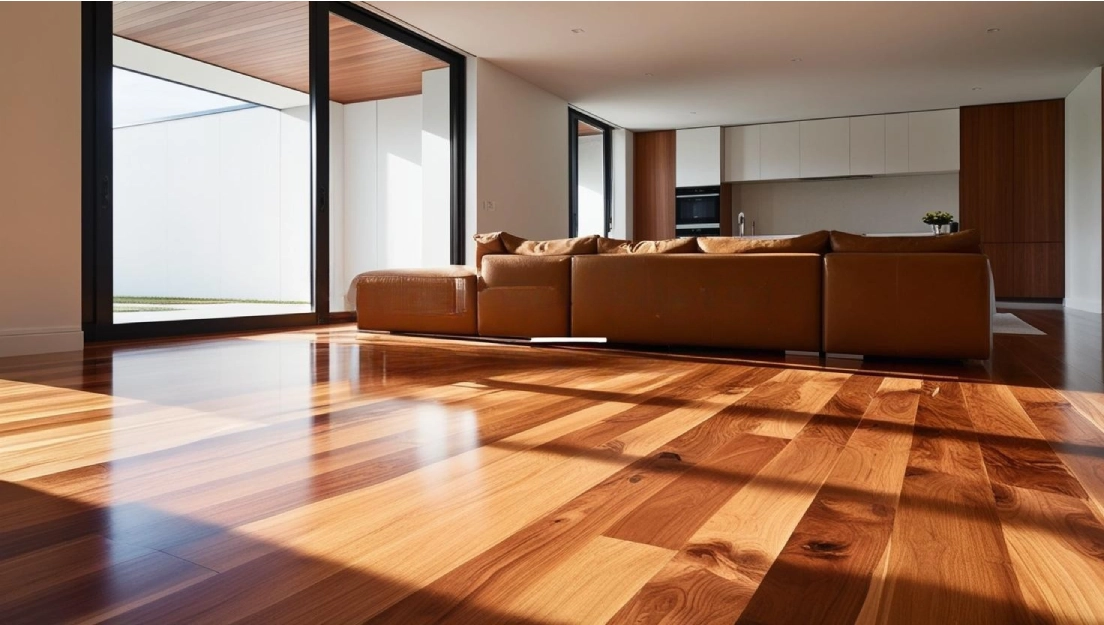
Canberra Cork Flooring
The best cork flooring for Canberra homes combines high-density sustainable agglomerate cork with a multi-layered, eco-friendly polyurethane protective coat. For the local ACT climate, premium direct-stick cork tiles or structural floating planks offer the ideal density to manage seasonal humidity shifts. This specific composition delivers superior thermal insulation and acoustic performance under foot compared to standard engineered alternatives.
Request a Cork Quote
ACT Sustainable Design Experts
Who Is This Guide For?
Canberra homeowners seeking natural, high-insulation flooring to withstand freezing ACT winters and scorching summers.
Mid-century modern design enthusiasts in Inner North or South Canberra looking for sustainable architectural authenticity.
Allergy sufferers and active families looking for a resilient, hypoallergenic, and acoustic-dampening surface.
Quick Summary: The Best Cork Options for Canberra Homes
| Cork Flooring Type | Best Used For | Key Performance Feature | Cost Range |
|---|---|---|---|
| Direct-Stick Tiles | Wet areas, kitchens, and architectural retrofits. | 100% waterproof potential when completely sealed on-site. | Mid to High |
| Floating Planks | Multi-story townhouses, bedrooms, and rapid renovations. | Built-in acoustic underlay with uniclic locking system. | Budget to Mid |
| Printed Digital Cork | Homes wanting timber or concrete aesthetics with cork comfort. | Micro-scratch resistant coating with high-definition visuals. | Premium |
Why Local ACT Climate Factors Dictate Selection
Canberra’s extreme temperature swings mean structural stability is crucial. Floating cork planks with a high-density fibreboard (HDF) core allow the floor to naturally expand and contract between a frosty July and a 40°C January without buckling.
The Acoustic Advantage
Whether you are renovating a dual-occupancy home in Kambah or a townhouse in Belconnen, cork’s cellular structure acts as a natural acoustic dampener. It absorbs impact noise beautifully, making it the premier choice for upstairs bedrooms and home offices.
Product Breakdown
Traditional Direct-Stick Cork Tiles
"Our Opinion: The undisputed gold standard for longevity. Because they are glued down and sealed completely across the entire surface, they are incredibly durable."
Best For: Kitchens, laundries, and high-traffic entryways where spills happen.
Pros: Can be sanded and polished multiple times; completely seamless look.
Cons: Requires a flawless, level subfloor; installation takes longer due to curing times.
Premium Floating Cork Planks
"Our Opinion: The smartest choice for fast modern renovations and DIY-friendly layouts."
Best For: Quick multi-room makeovers, bedrooms, and rental property upgrades.
Pros: Fast installation over existing subfloors; built-in insulating underlay.
Cons: Not suitable for high-moisture bathrooms; cannot be sanded back as many times as solid tiles.
How to Choose the Right Cork Flooring for Your Canberra Property
When selecting cork for your local property, filter your choices through three non-negotiable performance metrics:
Subfloor Compatibility
If you have an existing concrete slab in a new Denman Prospect build, floating planks save massive preparation costs. For older timber joists in Narrabundah, solid direct-stick tiles offer unmatched structural integration.
The Traffic Profile
High-density commercial-grade wear layers are required if you have large pets or active kids.
The Moisture Level
Ensure your installer uses a specialized moisture barrier if laying flooring over ground-level slabs in older Canberra suburbs.
When You DON'T Need Cork Flooring
Do not buy cork flooring if you are looking for a completely glossy, uniform, mirror-like finish that never shows character lines. If you plan to leave north-facing windows completely uncovered without UV-tinting or blinds, the intense ACT sun will naturally fade organic cork over time. In those specific scenarios, we highly recommend looking at premium hybrid flooring or porcelain tile alternatives instead.
Local Case Scenarios
Scenario A: The Ainslie Mid-Century Extension
A family extending their heritage brick home wanted to match the warmth of original timber without the cold echo. We supplied and installed direct-stick traditional tiles, sealing them with low-VOC polyurethane.
Result: A beautifully soft floor that keeps the extension warm during winter without relying heavily on ducted heating.
Scenario B: The Kingston Foreshore Apartment
An owner of a busy third-floor apartment needed to meet strict strata noise reduction rules. We installed floating cork planks with an integrated acoustic layer directly over the concrete.
Result: The acoustic performance easily bypassed the standard body corporate requirements while providing a modern, sleek aesthetic.
Cork Flooring F.A.Q
Does cork flooring feel cold during Canberra winters?
No, cork flooring remains naturally warm throughout winter because its cellular structure contains millions of microscopic air pockets that act as natural thermal barriers. This blocks the freezing crawl of cold air up from your concrete slab, significantly lowering your heating costs compared to standard ceramic tiles or vinyl.
How often does a cork floor need to be resealed?
For high-traffic Canberra kitchens and entries, we recommend a commercial-grade maintenance coat every 5 to 7 years. Bedrooms and low-use living areas can comfortably go 10 to 15 years before requiring a fresh top coat.