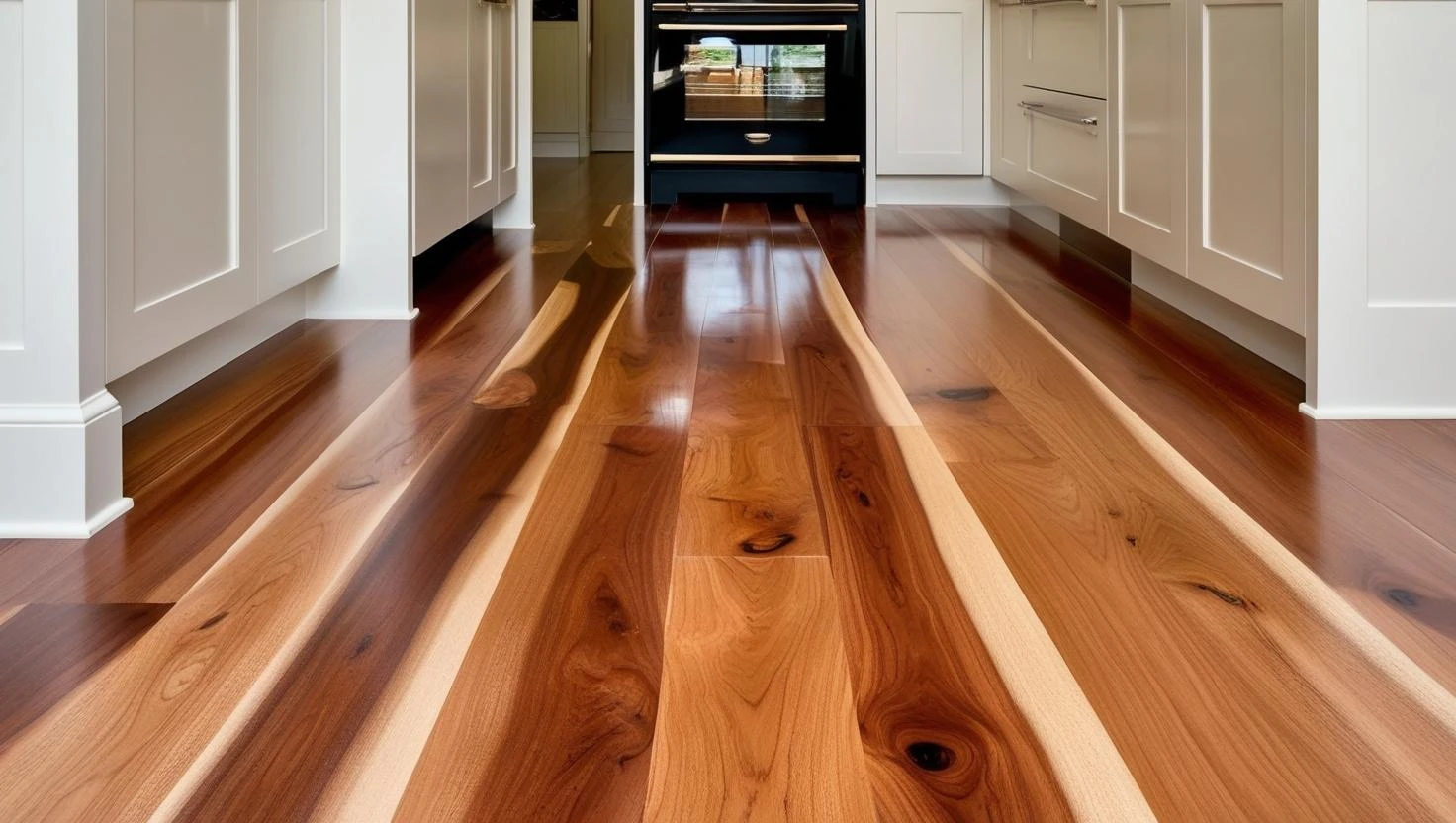
Timber Floor Sanding & Polishing
The best timber floor sanding and polishing method for the ACT region uses heavy-duty, dust-attenuated belt machines followed by a multi-stage orbital smoothing process, sealed with a premium, low-VOC water-based polyurethane. Because Canberra's extreme inland climate transitions rapidly from frosty winters to intense, high-UV summers, solid wood boards experience notable contraction and expansion. Using a flexible, commercial-grade coating allows individual timber boards to move naturally without cracking the seal.
Request a Restoration Quote
ACT Surface Renewal Experts
Who This Professional Wood Restoration Service Is For
ACT Heritage Homeowners
Owners of character properties in suburbs like Ainslie, Turner, and Kingston looking to safely restore original, century-old Baltic Pine, Jarrah, or Tasmanian Oak floorboards.
Modern Residential Renovators
Families updating newly acquired properties across Woden, Tuggeranong, or Belconnen by stripping away worn, outdated carpets or old vinyl to reveal structural timber underneath.
Commercial Property Managers
Facility operators in central Canberra requiring low-VOC, high-traffic commercial polyurethanes or oil coatings for busy retail, office, or community spaces.
Quick Selection Matrix: Timber Floor Coatings & Finishes
| Finish Class Category | Gloss Level Profile | Expected Durability / Wear Profile | Total Cure Time Window |
|---|---|---|---|
| Water-Based Polyurethane | Matte, Satin, or Gloss | High traffic resistance; completely non-yellowing over time. | Fast (24 hours) |
| Solvent-Based Polyurethane | Semi-Gloss to High Sheen | Maximum absolute scratch barrier; prone to deep ambering. | Extended (2–5 days) |
| Natural Penetrating Oils | Low-Sheen / Velvet Matte | Moderate scratch protection; allows simple spot-repairing. | Variable |
Wood Finishes Evaluated
A detailed breakdown by local restoration specialists to help you select the optimal coating.
1. Premium Water-Based Polyurethanes
Our Professional Stance:
The absolute gold standard for modern residential properties. These coatings cure rapidly, emit virtually zero toxic chemical odours during application, and preserve the true, native timber colour profile without turning a fake orange shade over time.
Ideal Scenarios
Occupied family homes, modern open-plan architectural builds with large north-facing floor-to-ceiling windows, and high-density apartments.
The Pros & Cons
Pros: Fast drying; entirely UV-resistant; completely safe for indoor air quality.
Cons: Commands a higher initial material price per square metre than older solvent alternatives.
2. Traditional Solvent-Based Polyurethanes
Our Professional Stance:
A historic, ultra-hard finish option that is slowly phasing out due to environmental impacts. While it forms an incredibly deep, high-gloss protective skin over the wood, the intense off-gassing process requires total residential evacuation during application.
Ideal Scenarios
High-traffic commercial hallways or strictly isolated investment properties where maximum immediate gloss sheen is desired.
The Pros & Cons
Pros: Unmatched initial chemical and abrasion scratch barriers; lower material acquisition cost.
Cons: Highly toxic VOC emissions; prone to severe ambering and yellowing when hit by Canberra's intense sunlight.
Selection Checklist: Before You Book
To ensure your architectural timber project remains flawless across its lifetime, cross-reference your site variables against these non-negotiable restoration elements:
Structural Board Thickness Check
Do not strip a floor without a professional measurement. Engineered timber floors require a native wood top wear layer of at least 2mm to safely handle a light precision sand, whereas classic solid tongue-and-groove boards can accept deep drum sanding safely.
Subfloor Fastener Preparation
Ensure your restoration technician inspects all floor plates to manually countersink all exposed iron or steel nails below the timber line before utilising abrasive grits.
Sub-Floor Insulation Timing
If you are planning to install under-floor insulation panels in older Canberra crawl spaces, complete this work before your final timber sanding and polishing passes begin.
When You DON'T Need Floor Sanding
Do not contract for deep floor sanding and polishing if your floorboards are constructed from lightweight vinyl, cheap laminate photographic composites, or thin-face veneer linoleum layers. Sanding these synthetic compositions will permanently disintegrate the aesthetic design surface. Furthermore, if your wood floor is structurally shifting due to active subfloor moisture leaks or loose joists in an older property, a cosmetic surface sand will not cure the underlying problem. The floorboards must be mechanically re-fixed or level-stabilised before any industrial abrasive sanding machinery touches the surface.
Real-World Timber Restorations
Scenario A: Historic Narrabundah Cottage Overhaul
The Context: A classic post-war cottage had its original Tasmanian Oak floorboards hidden beneath layers of old adhesive, crumbed foam, and decades of dark carpet stain.
The Strategy: Our team utilised coarse 40-grit ceramic belt papers to safely strip the old tar residues, sequentially stepping down to fine 120-grit screens before applying three coats of heavy-duty commercial matte sealer.
The Outcome: The old floorboards were successfully brought back to life, matching the property's historical character while delivering a modern, clean surface that won't wear down from active family use.
Scenario B: Modern Parquetry Renewal in a Civic Workspace
The Context: A high-end office lobby featuring intricate herringbone parquetry had become heavily scuffed and dulled down by thousands of weekly footfalls.
The Strategy: We executed a precision fine-sand extraction process using specialised rotary multi-head sanders to minimise timber loss, finishing with a non-slip commercial satin coating.
The Outcome: The intricate grain details were beautifully restored with zero damage to the historic parquetry pattern, keeping business downtime to less than 48 hours total.
Timber Restoration F.A.Q
How much dust is generated inside my home during a professional timber floor sanding process?
Modern professional sanding systems utilise advanced machine-integrated vacuum filtration units that extract upwards of 98% of airborne wood particulates directly at the cutting head. While a microscopic amount of settling dust is entirely unavoidable, your internal walls, cabinetry, and living spaces remain cleanly shielded throughout the service window.
Can deep scratches and pet urine stains be completely removed by sanding?
Deep surface scratches, gouges, and minor timber scuffs are completely eliminated during the initial coarse-grit mechanical machine passes. However, if a severe pet urine or water leak stain has deeply penetrated into the sub-surface cellulose structure over years, the wood boards may need to be locally replaced with matched timber sections rather than over-sanded.
How long should I wait before moving heavy furniture back onto a freshly polished timber floor?
While modern premium water-based polyurethanes allow careful sock-foot walking access within 24 hours of final application, the underlying chemistry takes roughly 7 days to reach absolute mechanical hardness. We recommend waiting a full week before shifting heavy solid wood furniture or items without protective felt pads back into place.